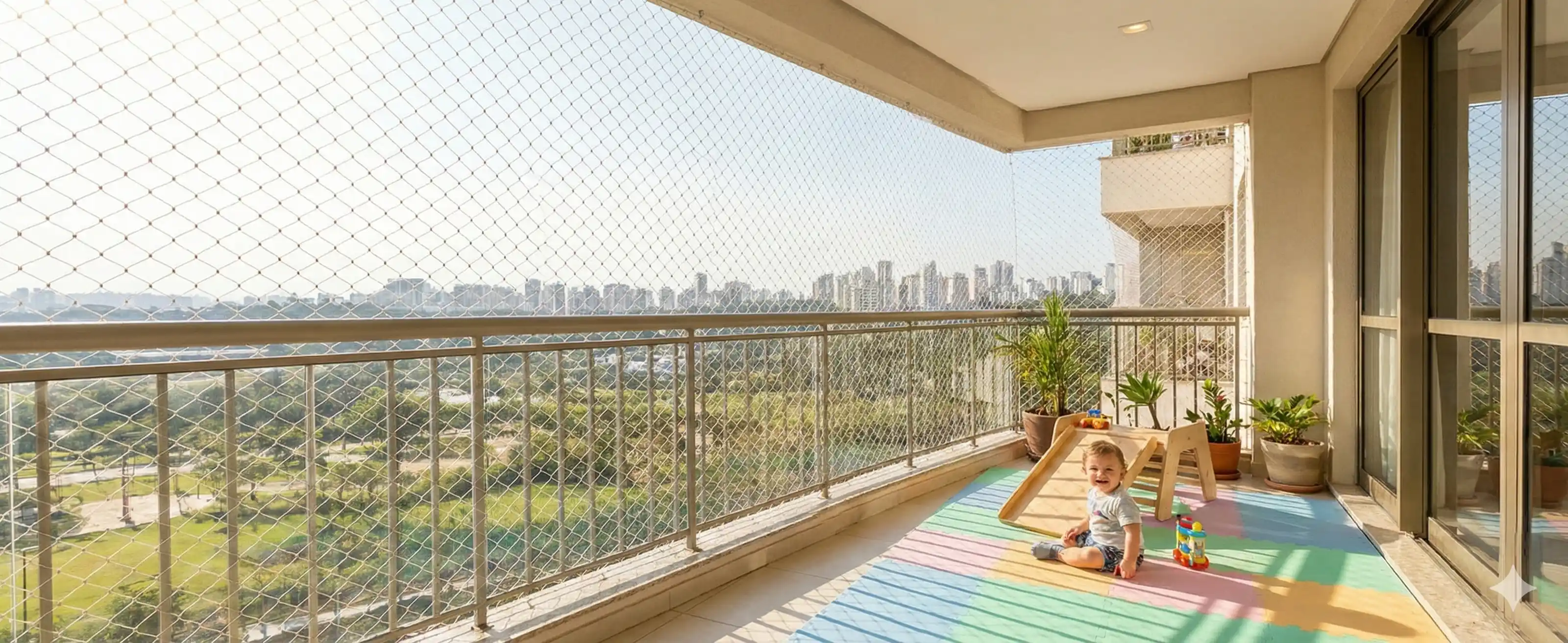
Child Safety at Home: Beyond Safety Nets - Complete Protection Guide
Comprehensive child safety guide for Indian homes. Learn essential childproofing measures beyond safety nets to create a secure environment.
Child safety requires a multi-layered approach. While safety nets are crucial, complete home protection involves multiple safety measures.
Statistics That Matter According to studies, home accidents are among the leading causes of child injuries in India. Most are preventable with proper safety measures.
Essential Safety Zones
-
Balconies and Windows (Critical) Primary Protection: Safety nets or invisible grills Secondary: Window locks, grills with appropriate spacing Rules: Never leave children unsupervised, remove climbable objects
-
Stairs and Elevated Areas Install: Safety gates at top and bottom Use: Non-slip stair treads Remove: Tripping hazards, ensure good lighting Consider: Safety nets for large gaps in railings
-
Kitchen Safety Preventive Measures:
- Stove guards to prevent burns
- Cabinet locks for cleaning products
- Safe storage of sharp objects
- Door barriers during cooking
- Bathroom Safety Essential Measures:
- Non-slip mats in tub/shower
- Toilet lid locks
- Medicine cabinet locks
- Water temperature regulation (max 120°F)
- Never leave child unattended in water
- Electrical Safety Critical Steps:
- Outlet covers on all unused sockets
- Cord management to prevent pulling
- Appliance safety locks
- Keep electrical items away from water
- Teach children electrical safety early
- Furniture Safety Important Actions:
- Anchor heavy furniture to walls
- Use corner guards on sharp edges
- Secure TVs and heavy items
- Remove climbing hazards
- Anti-tip devices for cabinets
- Doors and Windows Safety Measures:
- Finger pinch guards on doors
- Door stoppers to prevent slamming
- Window restrictors to limit opening
- Safety film on glass to prevent shattering
Age-Specific Safety Measures
Infants (0-12 months):
- Crib safety (proper spacing, firm mattress)
- Baby-proof entire floor level
- Choking hazard removal
- Safe sleep practices
- Constant supervision
Toddlers (1-3 years):
- Everything from infant stage plus:
- Balcony/window safety nets crucial
- Staircase gates mandatory
- Cabinet and drawer locks
- Furniture anchoring essential
- Pool/water safety critical
Preschoolers (3-5 years):
- Continue physical barriers
- Begin safety education
- Teach emergency procedures
- Supervised exploration
- Clear safety rules
School Age (5+ years):
- Gradual independence with safety knowledge
- Emergency contact information
- Home alone safety if applicable
- Continued supervision for high-risk areas
- Regular safety discussions
Room-by-Room Safety Checklist
Living Room: ☑ TV anchored or wall-mounted ☑ Corner guards on furniture ☑ Electrical outlet covers ☑ Window safety nets/locks ☑ Blind cord safety
Bedrooms: ☑ Window safety nets ☑ Furniture anchored ☑ Safe toy storage ☑ Proper lighting ☑ Clear emergency exit path
Kitchen: ☑ Stove guards installed ☑ Cabinet locks on all lower cabinets ☑ Sharp objects secured ☑ Cleaning products locked away ☑ Appliance safety locks
Bathrooms: ☑ Toilet locks ☑ Medicine cabinet locks ☑ Non-slip surfaces ☑ Water temperature control ☑ Electrical appliance storage
Balconies/Terraces: ☑ Safety nets installed ☑ No climbable objects ☑ Door locks functional ☑ Regular inspection ☑ Furniture secured
Emergency Preparedness
Essential Elements:
- First aid kit fully stocked and accessible
- Emergency numbers visible (parents, poison control, neighbors)
- Fire extinguisher and smoke detectors
- Evacuation plan practiced regularly
- Babysitter safety information sheet
Smart Safety Investments
High Priority (Essential):
- Balcony safety nets: ₹5,000-15,000
- Window grills/nets: ₹3,000-10,000
- Staircase gates: ₹2,000-5,000 each
- Furniture anchors: ₹500-2,000
Medium Priority (Important):
- Cabinet locks: ₹1,000-3,000
- Corner guards: ₹500-1,500
- Outlet covers: ₹300-800
- Door safety devices: ₹500-2,000
Nice to Have:
- Baby monitors: ₹3,000-15,000
- Smart safety devices: ₹5,000-20,000
- Safety cameras: ₹10,000-50,000
Common Mistakes to Avoid
❌ Delayed safety implementation ✓ Childproof before baby becomes mobile
❌ Incomplete protection (only some areas) ✓ Comprehensive approach to all risk zones
❌ Assuming older children don't need safety measures ✓ Continue age-appropriate safety always
❌ Relying only on supervision ✓ Combine supervision with physical barriers
❌ Using cheap, non-certified safety products ✓ Invest in quality, tested safety solutions
❌ Not educating children about safety ✓ Age-appropriate safety education is crucial
Safety Education for Children
Age-Appropriate Teaching: 2-3 years: Simple rules (don't touch hot, don't climb) 4-5 years: Danger recognition, asking for help 6-7 years: Emergency procedures, phone use 8+ years: Comprehensive safety knowledge, responsibility
Teaching Methods:
- Consistent rules and consequences
- Positive reinforcement
- Role-playing scenarios
- Age-appropriate explanations
- Leading by example
Professional Safety Assessment
Consider professional childproofing services if:
- Moving to a new home
- Unsure about comprehensive safety
- High-risk home features (pool, stairs, high-rise)
- Multiple children of different ages
- Limited time for DIY safety
Cost: ₹5,000-20,000 for comprehensive assessment and basic implementation
Ongoing Safety Maintenance
Monthly Tasks:
- Test smoke/carbon monoxide detectors
- Check safety gates and locks
- Inspect window/balcony nets
- Review emergency contacts
- Replace worn safety items
Quarterly Tasks:
- Comprehensive safety audit
- Update emergency plans
- Reassess child development needs
- Check furniture anchoring
- Deep clean and inspect safety equipment
Annually:
- Professional safety net inspection
- Replace expired items (batteries, first aid)
- Update emergency information
- Re-childproof for developmental changes
Cultural Considerations
Joint Family Homes:
- Coordinate safety rules with all adults
- Ensure visitors understand restrictions
- Multiple access points need securing
- More eyes help, but consistent rules crucial
Apartment Living:
- Building safety regulations
- Balcony safety paramount
- Elevator safety teaching
- Neighbor coordination for emergencies
Independent Houses:
- Outdoor areas need attention
- Gate and boundary security
- Pool safety if applicable
- Garden hazards (tools, chemicals)
Creating a Safety Culture
Make safety a family value:
- Regular family safety meetings
- Children participate in safety planning
- Celebrate safe behavior
- Continuous learning and improvement
- Safety as empowerment, not just restriction
Resources and Support
Government Resources:
- Fire safety programs
- Poison control hotlines
- Child safety awareness campaigns
Community Resources:
- Pediatrician guidance
- Parent support groups
- Local safety product suppliers
- Professional childproofing services
Remember: Safety nets and physical barriers are your first line of defense, but comprehensive child safety requires awareness, education, and consistent vigilance.
Get Expert Help For professional safety net installation and comprehensive childproofing consultation, contact Satya Safety Nets. We serve families across Vijayawada, Visakhapatnam, Hyderabad, and Bangalore with expert safety solutions.